Interactivity and Skill Acquisition Through Video Based Learning
Video is something I think can be an incredibly useful tool in the classroom. This goes for both narrative video media and videos created by individuals to speak on specific topics and help guide and inform learners. Something we discussed this week in class was the way in which video can be used to help teach in various different classroom structures as well as the potential tool of interactive video using H5P.
I believe video in the form of H5P’s interactive videos does have a place in the classroom. It can be a useful tool to ensure that students are paying attention to and engaging with a video that is giving instructions or a tutorial on how to complete something. This would be especially effective in a situation where a class is being taught both in person and online, or completely online as it acts as a way to better ensure the comprehension of content without an educator directly delivering it to students in the same room. I do believe there are drawbacks with H5P however as it could be quite time consuming for educators to employ in the courses they teach. Additionally, it does not necessarily allow students to learn in a way that works for them or at their own place as the interactive prompts, questions, and activities are specifically connected to the video by the educator, thus, ensuring all follow the same path to completion of a topic.
Video and audio editing can be interesting elements to integrate with assignments at the secondary level and can be used in very different ways in each subject area. For Social Studies one idea for an assignment that uses video and audio editing could be the editing of old videos used to convey outdated messages. History is constantly being re-evaluated and many pieces of media that were created in the past have messages that are no longer true or have faced significant re-evaluation in the last number of decades. This could give students an opportunity to engage with historical primary and secondary sources while also comparing and contrasting the views of the past to those of the present by editing historical or propaganda videos to tell their stories from a modern, updated perspective.
Another area in my own teaching where I could see myself using video and audio editing is in film studies. While this is an elective course, it is one that I hope to teach and one where editing is a prime component of the course content. Video and audio editing assignments could be used to educate students on how the editing process works when creating films. They are also skills that can be developed and expanded on in order to give students the capabilities to edit video and audio on their own and potentially create films themselves.
Both H5P’s interactive videos and using video and audio editing in the classroom are conducive to a flipped classroom approach as well. Interactive videos would allow for the lectures to occur outside of the classroom and for the educator to facilitate collaboration with the students on various projects and activities instead of spending the class lecturing. In that same regard, if students had already received a lecture online about video and audio editing, it would be much easier for the educator to facilitate and aid students with the actual skill instead of spending the vast majority of the class time lecturing and then giving students minimal time to apply their knowledge. When applying more practical skills in the classroom, this flipped approach may be useful as it gives students much more class time to flourish in regard to the learned skills, instead of short work periods that don’t allow learners to go beyond the initial stages of the task.
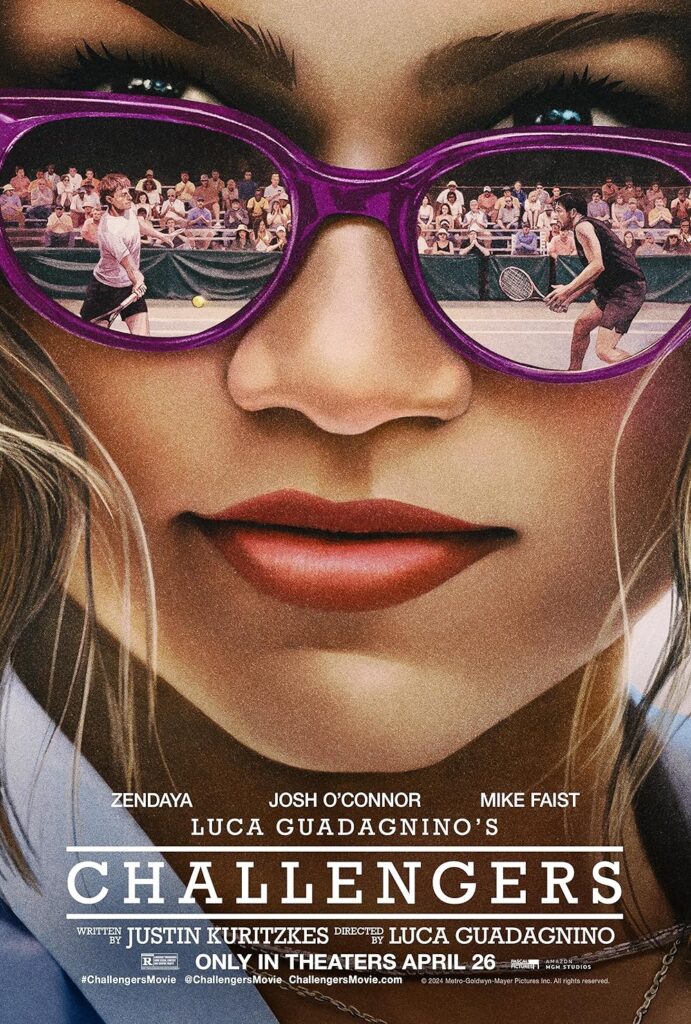
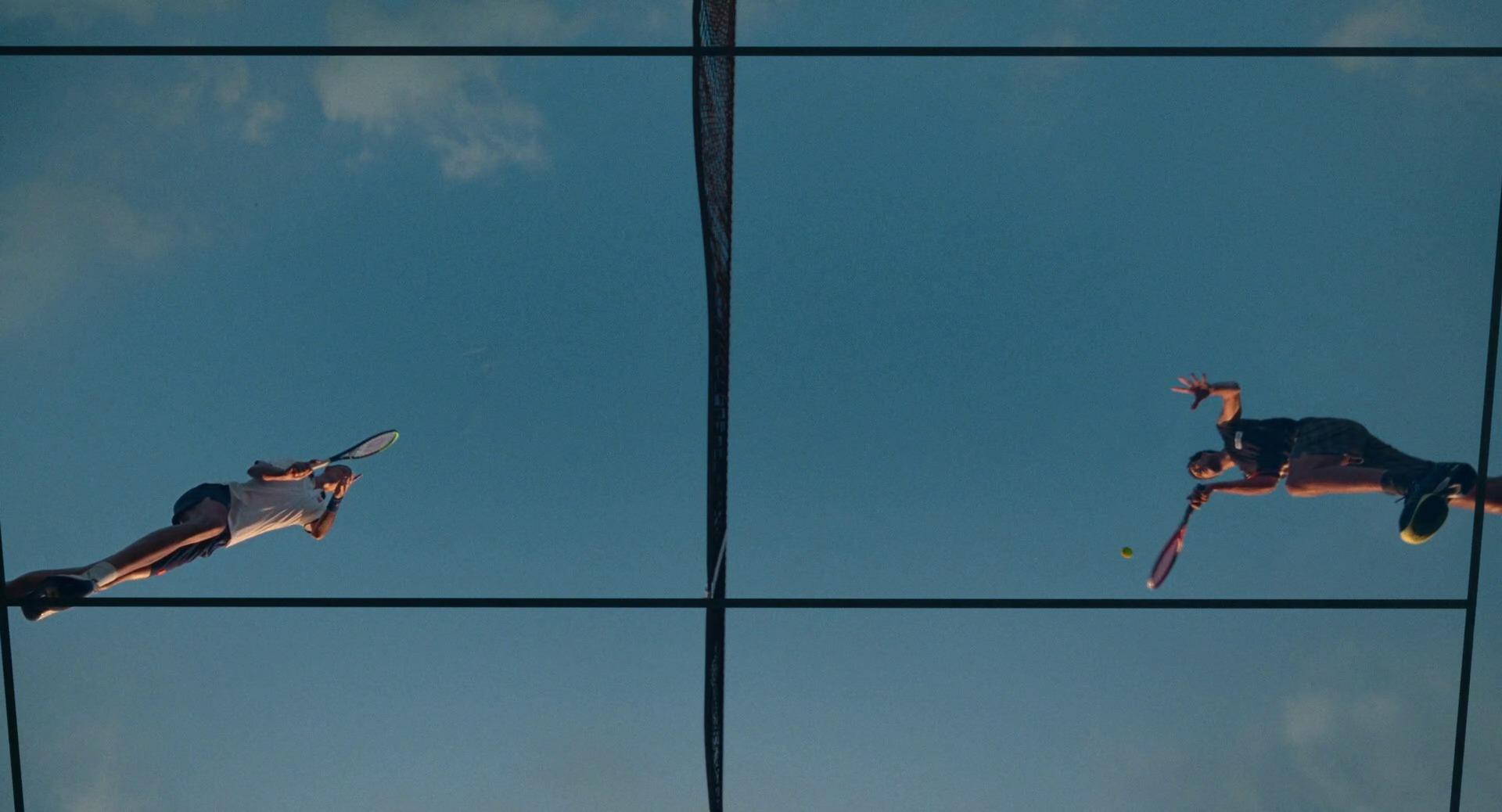
Film for Thought: As the use of video and audio editing was one of the most prominent aspects of my reflection, I wanted to connect it to a film that has some of my favourite editing this decade so far, Challengers (2024).
This film is a very interesting take on editing, specifically for a sports film and is a great example of how film editing does not necessarily have to be traditional for it to work well and tell an engaging story. The editing here is very unique and in my opinion shows that experimentation through pairing dynamic editing styles with stories they may not necessarily seem to fit can really pay off and go a long way towards creating unique content.